
Before Your First Visit
Complete these steps to make your first appointment smooth and efficient.

Please prepare your home for the wound assessment:
Clean, Well-Lit Area
Prepare a clean space with good lighting where the clinician can examine your wound comfortably.
Secure Your Pets
Keep pets in a separate room during the visit to ensure a safe and hygienic examination environment.
What to Expect at Your First Visit
Here's a step-by-step overview of what happens during your initial wound care appointment.
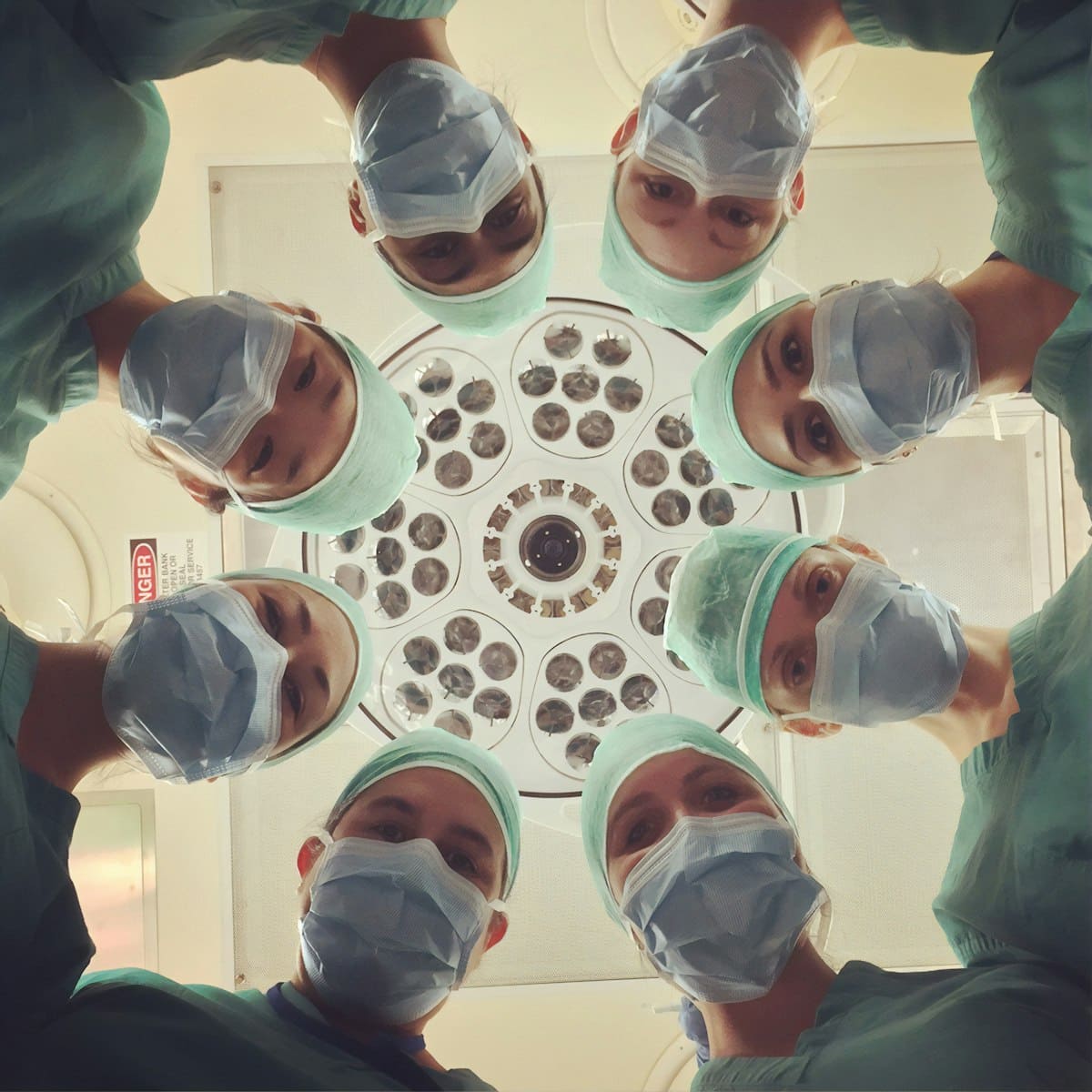
How to Prepare for Your Appointment
Bring the following information to ensure your clinician has everything they need.
- ✓Complete medication list
- ✓Name of primary care doctor
- ✓Name of any wound care providers
- ✓Emergency contact information
- ✓Insurance card & photo ID
- ✓Wound history & prior treatments
Wound Care Education
Understanding your wound type is the first step toward effective treatment.

An open wound that usually develops on the bottom of the feet. Caused by nerve damage (neuropathy), decreased blood flow, repeated pressure or friction from walking barefoot or wearing tight shoes, and foot deformities.
- Check your feet daily for cuts, blisters, or sores
- Wear proper footwear — diabetic shoes and diabetic insoles
- Maintain tight glucose control
- Avoid walking barefoot at all times

An open wound that usually develops on the lower leg around the ankle (gaiter area), related to venous insufficiency.
- Poor vein function and valve damage
- Previous blood clots (DVT)
- Varicose veins

Caused by poor arterial blood flow to the extremities. Often appear on the toes, feet, or lower legs. Associated with pain, especially at rest or with leg elevation.
Vascular evaluation may be required
Surgical wounds that fail to close properly due to factors such as infection, poor circulation, nutritional deficiencies, diabetes, or compromised immune function.
Advanced wound care therapies can help significantly
Damage to skin and underlying tissue caused by prolonged pressure, often over bony prominences such as the heels, coccyx, or hips. Common in individuals with limited mobility.
- Regular repositioning every 2 hours
- Pressure-relieving mattresses and cushions
- Skin moisture management
Signs & Symptoms of Infection
Recognizing infection early is critical. Know what to look for locally and systemically.
Local Signs (Wound & Periwound)
- Increased redness around wound or streaking
- Swelling or puffiness (edema)
- Warmth around the wound area
- Worsening pain or tenderness
- Change in drainage — yellow, green, or cloudy; increased amount or thick consistency
- Foul or unpleasant odor
- Slow or delayed healing; wound increasing in size
- Dark or dead tissue (necrosis)
Systemic Signs (Whole Body)
- Fever
- Chills
- Fatigue or weakness
- Nausea
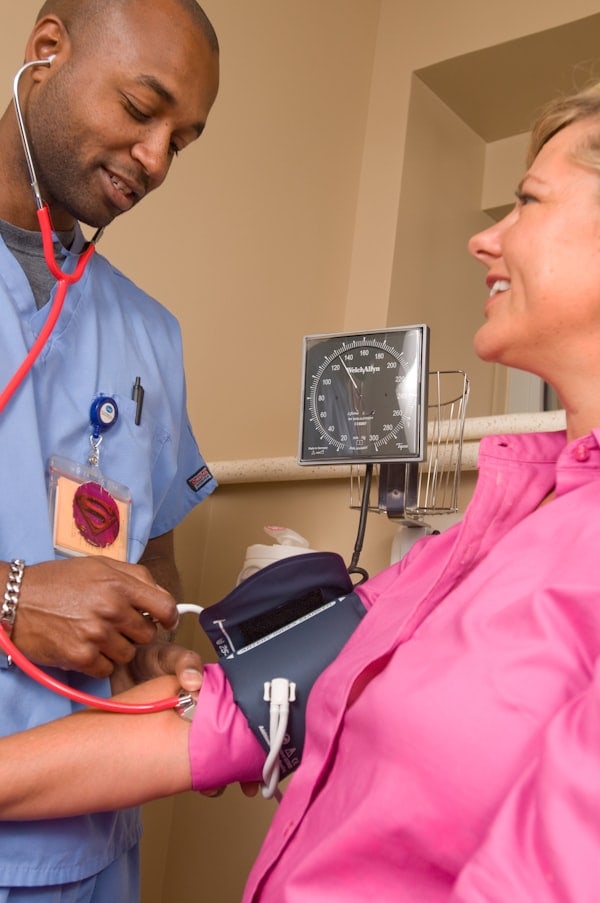
Nutrition for Wound Healing
Good nutrition accelerates healing. Focus on these key nutrients to support your recovery.

Protein
Essential for tissue repair and rebuilding. Include lean meats, eggs, legumes, and dairy.
Vitamin C
Critical for collagen synthesis and immune function. Citrus fruits, bell peppers, berries.
Vitamin A
Supports skin cell growth and immune defense. Found in carrots, sweet potatoes, leafy greens.
Zinc
Promotes cell division and wound healing. Found in shellfish, nuts, seeds, and whole grains.
Hydration
Adequate fluid intake keeps tissues moist and supports all metabolic processes.
Omega-3s
Reduce inflammation and support healing. Found in fatty fish, walnuts, and flaxseeds.